
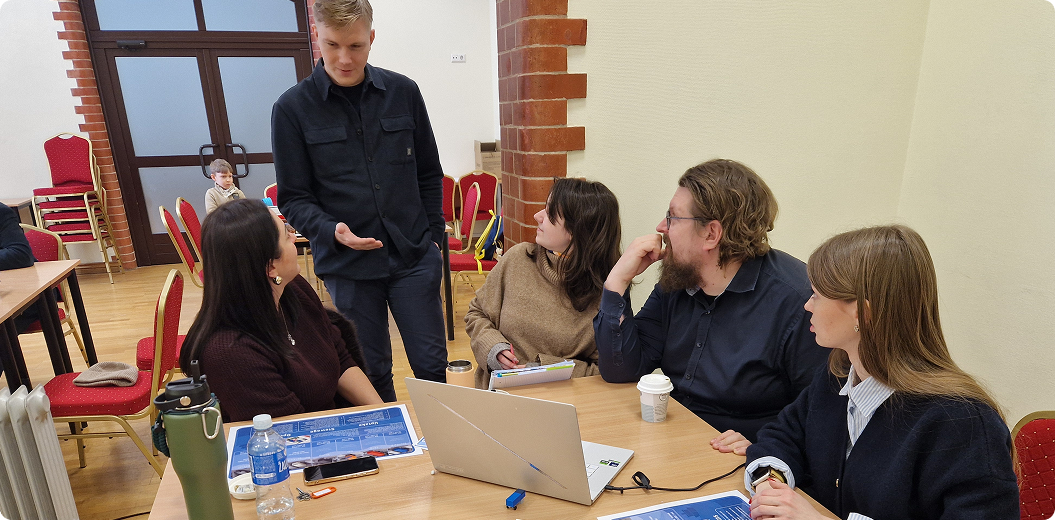
Commercial and operational teams can make sound decisions inside their own function and still leave the next part of the service with fewer options. LinerGame has launched the RoRo Shipping Game so ferry and RoRo teams can work through those consequences across one departure, from booking uptake through stowage and cargo operations.
EACH ACCEPTED UNIT CHANGES WHAT THE TEAM CAN DO NEXT
Teams choose which bookings to accept against customer commitments and available capacity. Those choices define the stowage task: the cargo has to fit within lane metres and vessel weight, while individual loads impose their own requirements on the deck.
Port operations test the plan again. Teams allocate terminal tractors and work the vessel, with cargo mix and stow affecting port stay, fuel use and operating cost. Later rounds can add heavy weather, late arrivals and no-shows, or reduced cargo-handling efficiency.
After each voyage, the digital scoreboard records utilisation, profitability and sustainability. Teams can compare decisions made at booking, stowage and port stages with the loaded and rolled cargo, port stay, fuel use and financial result that followed.
TAKE ON DECISIONS BEYOND YOUR USUAL FUNCTION
For experienced teams, the workshop puts participants into decisions outside their usual role. Commercial colleagues confront the stowage and port implications of accepted cargo. Operational colleagues inherit the cargo mix, customer commitments and disruptions established earlier in the process.
They leave having worked through how a choice in one function changes the options available to another. New hires can instead follow the service end to end while learning RoRo terminology, cargo flows and commercial and operational fundamentals.
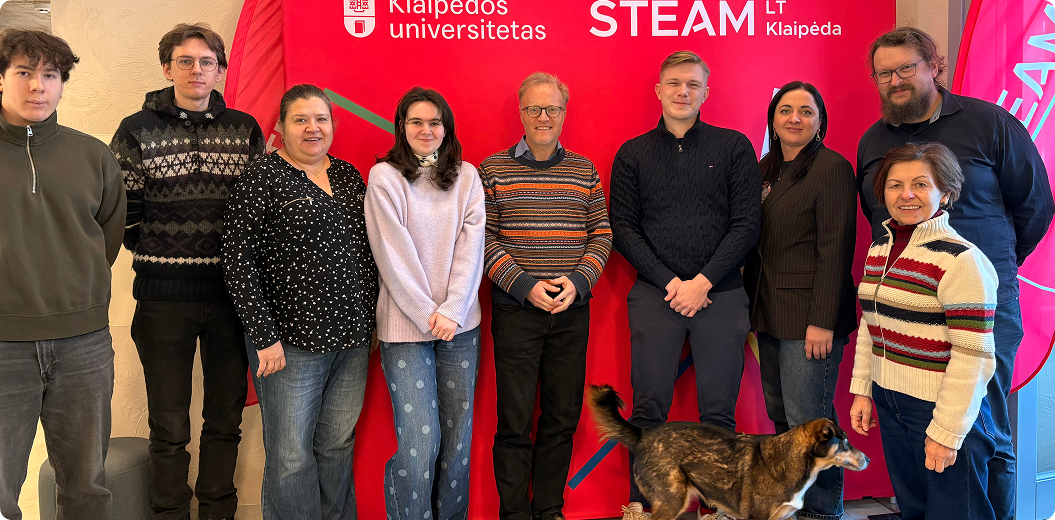
The RoRo Shipping Game grew out of the ECOPRODIGI and RoRoGreen projects from 2018 to 2022. Niels Gorm Maly Rytter and Nicolai Hinge continued developing it through 2026, including a game-set delivery and train-the-trainer workshop at Klaipėda University’s STEAM Centre.
LinerGame offers half- or full-day workshops for 4–20 participants. Company and open workshops can run with one or two competing short-sea ferry services, with the challenge adjusted to the group’s experience and the purpose of the session.